

Learning piano can feel overwhelming at first, but with the right approach, progress can happen much faster than most people expect. The key is to focus on smart strategies instead of just putting in random hours of practice.
This article goes over the most effective ways to improve quickly and overcome common learning challenges.
Ways To Learn Piano Faster
There are many methods people try when learning piano, but not all of them lead to real progress. If your goal is to learn piano faster, you need to combine consistency, focus, and the right learning techniques instead of relying on repetition alone.
Practicing without direction often leads to frustration, which is why a structured approach is so important.
Another important factor is understanding that speed does not come from rushing. Instead, it comes from building strong fundamentals and reinforcing them daily.
When you focus on quality practice rather than just time spent, your improvement becomes more noticeable and long-lasting. The following sections break down practical strategies that can help you move forward with confidence.
Set Clear Practice Goals for Each Session
One of the biggest mistakes beginners make is sitting at the piano without a plan. If you want to learn piano faster, every practice session should have a clear goal that you are working toward.
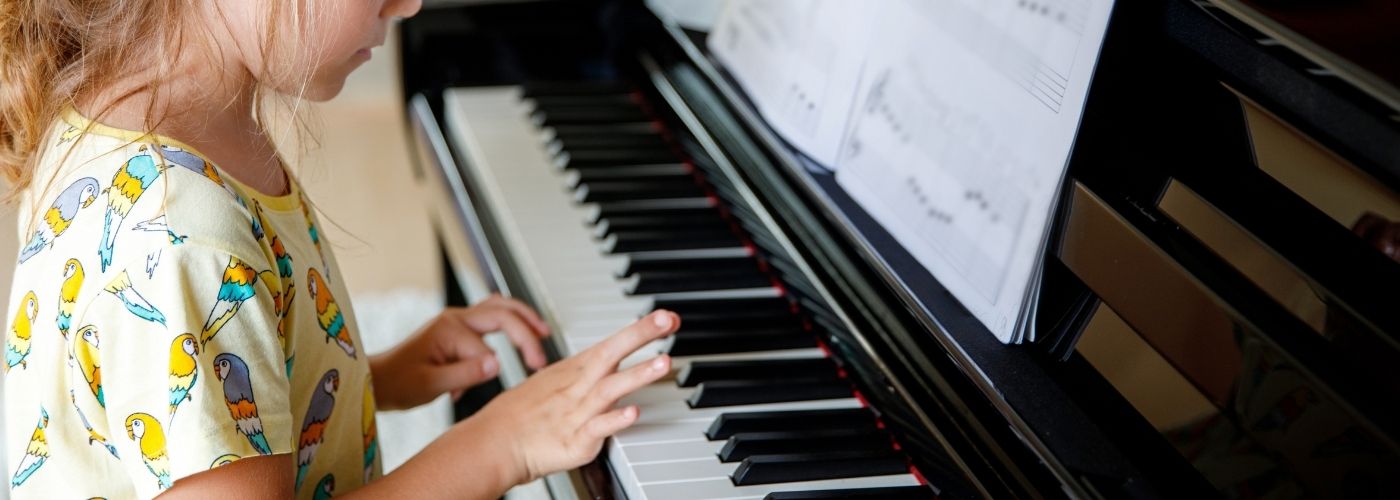
This could be mastering a small section of a song, improving hand coordination, or fixing a specific mistake. Without direction, practice becomes repetitive and less effective.
Setting goals also helps you stay motivated because you can measure your progress. Instead of feeling stuck, you start to see small wins every day.
Clear goals turn practice into a focused activity rather than a guessing game, which makes your learning process more efficient and rewarding. Over time, these small improvements build into noticeable skill growth.
Take Private Piano Lessons For Structure
Learning on your own can work, but it often slows progress because you may not know what to focus on next. If your goal is to learn piano faster, working with a private instructor can provide the structure and guidance you need.
A teacher can quickly identify mistakes and correct them before they become habits, which saves you time in the long run.
Private lessons also keep you accountable. When you know someone will review your progress, you are more likely to stay consistent with practice.
Having expert feedback and a clear learning path removes confusion and helps you move forward with confidence instead of trial and error. This structured approach can make a noticeable difference in how quickly you improve.
Practice Scales to Improve Finger Speed
Scales might seem repetitive or boring at first, but they play a major role in building technique. If you want to learn piano faster, practicing scales regularly will strengthen your fingers and improve your control over the keyboard. This makes it easier to play songs smoothly and accurately.

As your finger strength and coordination improve, you will notice that difficult pieces start to feel more manageable. Scales train your hands to move efficiently, which directly impacts your speed and confidence when playing real music.
Even a few minutes of scale practice each day can lead to long-term improvement.
Record Yourself to Track Performance
Many piano players do not realize how helpful it is to hear themselves play. If you want to learn piano faster, recording your practice sessions allows you to catch mistakes you might miss while playing.
It gives you a clearer understanding of your timing, dynamics, and overall sound.
Listening back also helps you track progress over time. You can compare older recordings to newer ones and see how much you have improved.
This kind of feedback creates awareness, which is essential for making meaningful changes and refining your skills. It turns practice into a more intentional and thoughtful process.
Set Clear Practice Goals for Each Session
Revisiting your approach to goal setting can make a major difference in your progress. To truly learn piano faster, you should break larger goals into smaller, manageable tasks that you can complete within each session.
For example, instead of trying to learn an entire song, focus on mastering a few measures at a time.
This method prevents overwhelm and keeps your practice sessions productive. It also helps build consistency because you always know what to work on next.
By staying focused on small, achievable targets, you create steady progress that builds confidence and keeps you engaged over the long term. Over time, these small wins add up to significant improvement.
Continue Reading
How to Develop Better Finger Strength for Piano Playing
Strong, controlled fingers can make piano playing feel smoother, more accurate, and less tiring. Building
Sep
Dynamic Vocal Exercises For Singers
Developing a stronger, more expressive voice takes more than simply singing songs. Regular practice with
Aug
Singing Practices To Help You Sing In Key
Singing accurately is one of the most important skills for any vocalist. Even singers with
Jul