
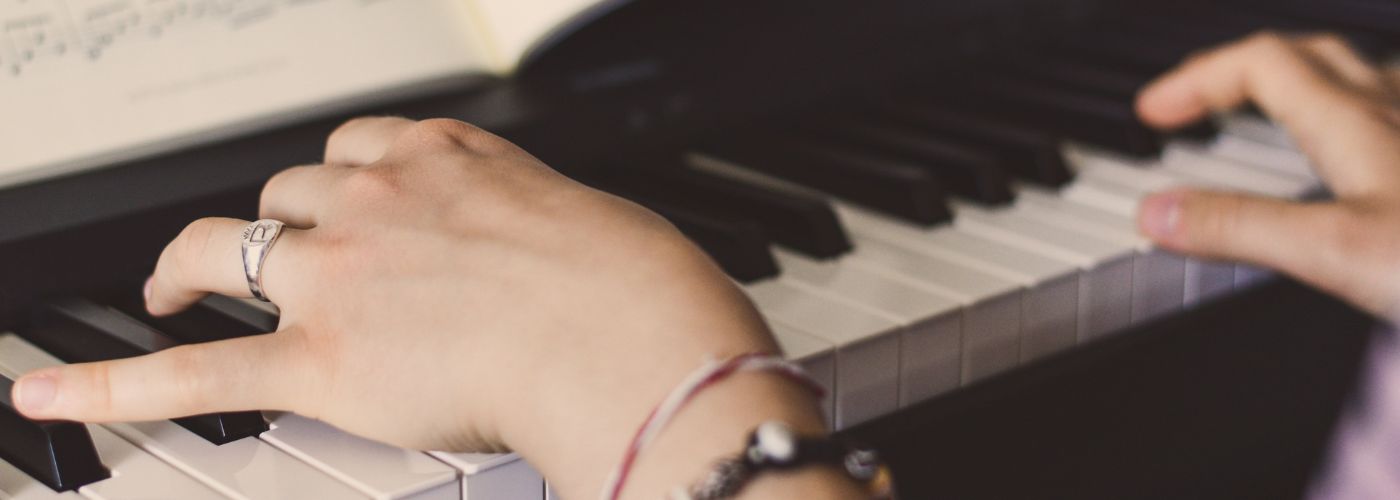
Have you ever listened to a piano piece and felt moved by its emotional depth? The secret often lies in the use of dynamics. This article dives into dynamic piano exercises for beginners, showcasing how these techniques can enhance your musical expression.
You’ll discover simple yet effective exercises that will not only improve your skills but also make your playing more captivating.
What Are Dynamic Piano Exercises?
Dynamic piano exercises are drills that help you control volume and tone while playing. They guide you through soft and loud movements that shape musical expression.
These exercises help beginners feel how touch affects sound quality. They also show how small changes in pressure can create emotional contrast. With steady practice, you learn to produce softer and stronger tones at will.
Dynamic exercises help beginners grow expressive playing habits that make music feel clear and meaningful. They encourage careful listening and gentle movement. You start noticing how each finger produces a slightly different tone.
These drills improve balance, timing, and sensitivity. They also prepare your hands for smoother transitions and stronger control during songs. Over time, you build a deeper sense of musical awareness.
Practice Crescendo–Decrescendo Scale
A crescendo–decrescendo scale teaches gradual changes in volume across a simple pattern. Begin softly and let your sound grow as you move up the scale.
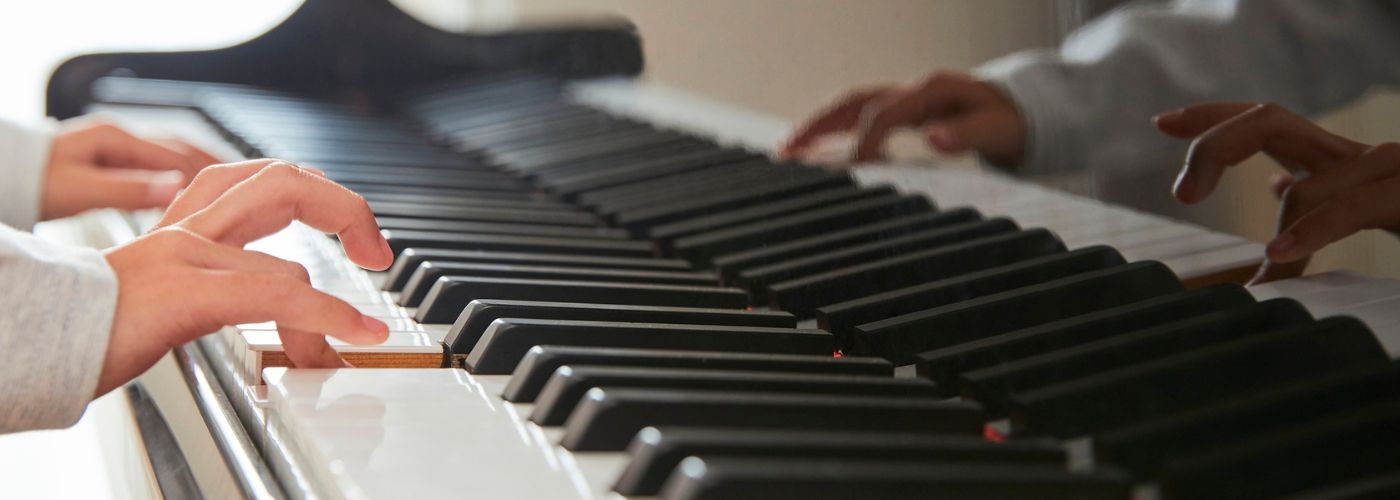
When you reach the highest note, slowly fade your volume as you move back down. Keep your arms loose so your fingers move freely. This helps your sound stay gentle and smooth instead of sharp or uneven.
This exercise teaches beginners how to guide dynamic changes with control and calm movement. Start at a slow tempo so you can focus on tone. Listen to each note as you shift volume with intention.
Try the scale with hands apart before combining them. When both hands work together, focus on blending tones evenly. With practice, you gain better control over expressive shaping and overall musical flow.
Practice Hand Control & Strength
Hand control and strength grow through slow, focused patterns. Use short runs or repeated finger exercises that move up and down the keyboard.
Keep each finger curved and steady so you produce clean tones. Slow practice helps you build strength without tension. As you repeat patterns, your fingers learn to apply consistent pressure.
This exercise builds the stability and comfort that beginners need for expressive, dynamic playing. Try expanding the patterns as your hands grow stronger. Mix in short jumps or larger movements when you feel ready.
Keep your arms relaxed to avoid strain and stiffness. Strong, flexible hands help you play louder passages with confidence and softer passages with grace.
Over time, your accuracy improves along with your dynamic range.
Soft Left Hand, Firm Right Hand Balance Drill
This important drill teaches you to balance independent dynamics between hands. The right hand plays firmly to bring out the melody. The left hand stays soft to support the harmony.

Use simple chord progressions or broken patterns. Keep your wrists relaxed so your touch stays controlled. Focus on keeping your left hand gentle, even when the right hand grows stronger.
This drill helps beginners strengthen hand independence so melodies always sound clear and supported. Many beginners play the left hand too loudly.
This drill fixes that habit through simple, steady practice. Try alternating patterns like chords, arpeggios, and repeated notes. Listen for balance as you change patterns.
When you master this skill, your playing feels cleaner and more expressive. Your melody begins to shine naturally.
Use Repetition to Train Expressive Playing
Repetition is a powerful tool for dynamic control. Pick a short musical phrase and repeat it with several dynamic variations. Start softly, then repeat with a stronger tone.
Try shaping the phrase with a gentle swell or soft fade. Keep a steady tempo each time so you focus on expression rather than speed.
Repetition helps your hands remember dynamic shapes that make your music feel emotional and alive. Each repeat teaches you something new about tone and pressure.
Try playing the same notes with different moods. This encourages creative thinking while improving technical control.
Over time, your expressive choices become natural instead of forced. Your musical phrases develop character and personality.
Do Three-Touch Repetition Drills
The three-touch drill strengthens your awareness of soft, medium, and loud tones. Start by repeating one note in three different volumes.
First soft, then medium, then loud. Move across the keyboard using the same sequence.
Keep your sound clean and controlled on each touch. This drill helps you feel how small finger changes affect tone.
This exercise builds precise dynamic control because each touch must stay clear and intentional. Try switching the order once you feel comfortable.
Play loud–soft–medium or medium–loud–soft. These variations sharpen your listening skills and strengthen finger independence.
Practice the drill with both hands alone and together. With time, you gain a wider dynamic range and a smoother expressive style.
Continue Reading
Ways To Boost Singing Stamina
Ever felt your voice wavering after just a few songs? You’re not alone; many singers
Feb
Dynamic Piano Exercises For Beginners
Have you ever listened to a piano piece and felt moved by its emotional depth?
Jan
Exploring Classical vs Contemporary Piano Teaching Styles
Learning piano can follow different paths depending on the teaching style. Classical and contemporary approaches
Dec