
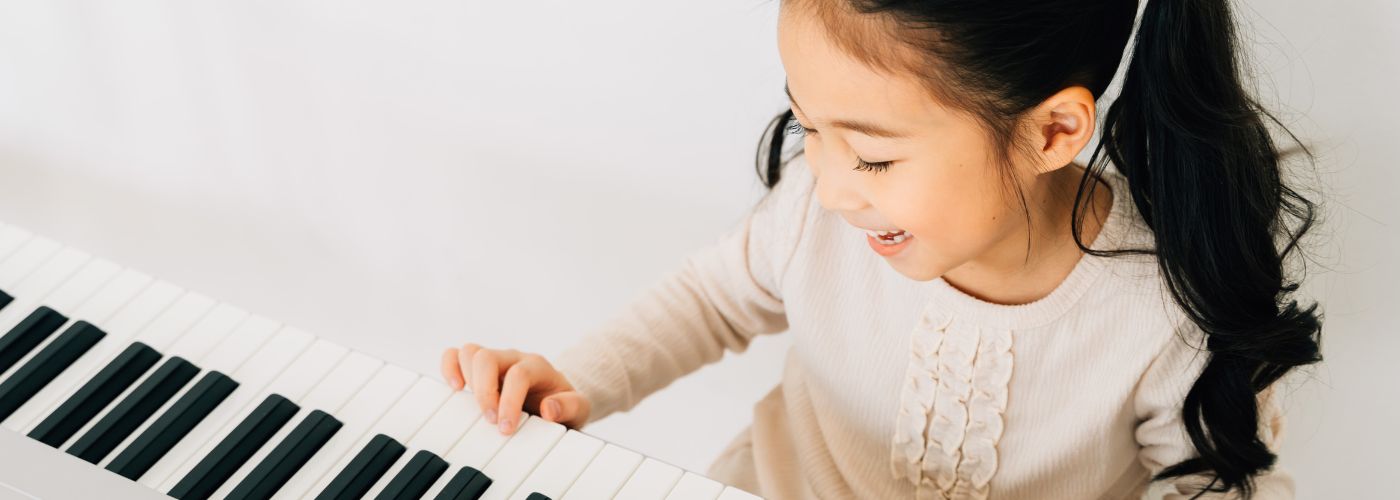
Most kids show a natural curiosity towards music, but when is the right time to harness that interest? The best age to start kids piano lessons might surprise you. This decision can shape their love for music and their musical skills for years to come. In this article, we’ll discuss the perfect timing for lessons based on developmental milestones and the impacts on your child’s future.
What Age To Start Kids’ Piano Lessons?
Starting kids in piano lessons involves understanding their readiness and enthusiasm. Generally, children between five and seven years old are often a good fit for beginning piano lessons because they usually possess the necessary fine motor skills and can follow simple instructions.
However, every child is different, and some may express interest earlier or may benefit from starting later. It’s essential for parents to observe their child’s interest in music and ability to focus during lessons, as a positive introduction to the piano can foster a lifelong love for music.
Encouraging practice at home and integrating fun activities related to music can help maintain enthusiasm.
Cognitive Milestones and Musical Skills For Kids
When considering the best age for kids to start piano lessons, it’s essential to look at cognitive milestones. Generally, children around the age of 5 show the necessary fine motor skills and attention span to begin.
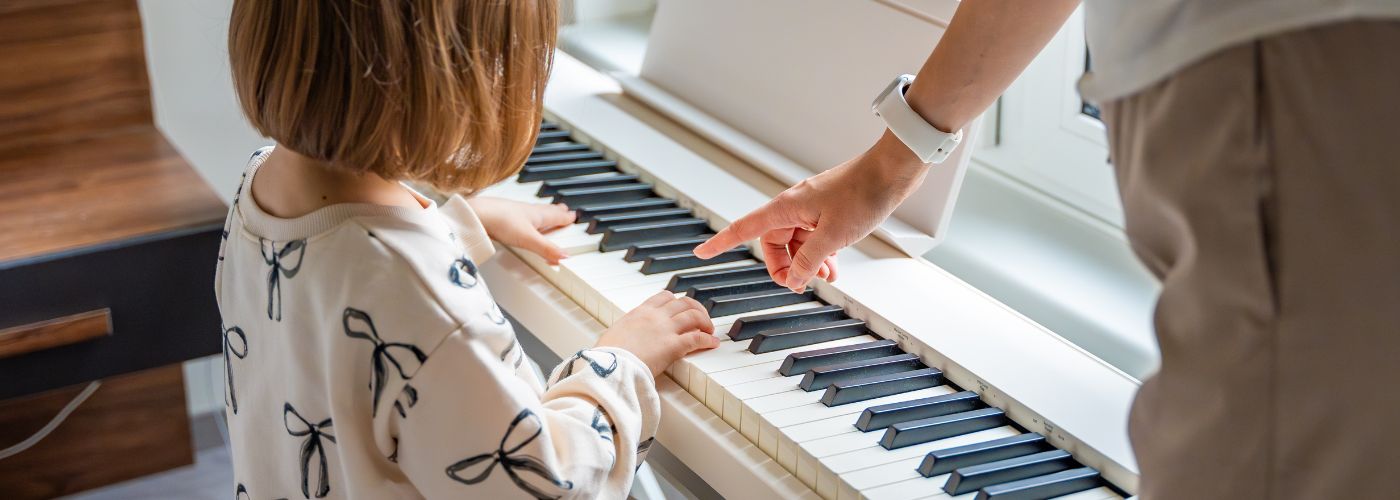
At this age, they can grasp basic concepts, such as rhythm and melody, allowing them to develop musical skills for kids effectively.
Starting lessons early can also enhance their cognitive development. Music education is known to improve memory, problem-solving, and emotional expression. Plus, learning piano can boost self-discipline and patience.
While 5 is a great age to begin, every child is different. Observing your child’s interest and readiness can guide you in finding the perfect time for their musical journey.
Long-Term Advantages of Learning Music Early
Learning music early has a profound impact on cognitive development, especially when kids start piano lessons at a young age. Research shows that engaging with music can enhance memory, language skills, and even mathematical abilities.
Children exposed to musical training learn to recognize patterns, which is a foundational skill that translates to improved academic performance in subjects like math and science.
Moreover, early music education fosters creativity and emotional intelligence. Kids who learn to express themselves through music develop stronger emotional connections, not only with themselves but also with others.
This ability to convey feelings can enhance their social skills and boost their confidence. The joy of creating music also instills a sense of discipline and patience — skills that last a lifetime.
In essence, starting piano lessons early lays the groundwork for a well-rounded skill set that benefits children far beyond the music room.
When to Transition from Beginner to Intermediate Lessons
Recognizing the right moment to transition from beginner to intermediate lessons for kids is crucial for their growth. Look for signs of confidence and comfort in their current skills.

If your child enthusiastically tries new techniques or shows curiosity about more complex concepts, it’s likely time to step up their learning. Enthusiasm is often paired with a desire for challenge, indicating they’re ready to explore new depths.
Additionally, consider their ability to grasp foundational concepts. If they can perform basic tasks consistently and understand the “why” behind what they’ve learned, they may be ready for the next level. This transition should feel exciting, not overwhelming.
Encourage your child to express their feelings about progressing; a positive mindset can make all the difference in their learning journey. By paying close attention to their readiness, you can help foster a love for learning that will last a lifetime.
Set Realistic Goals for Young Pianists
Setting realistic goals for young pianists is essential for nurturing their passion and progress. Start by breaking larger aspirations into smaller, manageable steps.
Instead of aiming to master a grand concerto in a month, focus on learning a few measures at a time. This approach not only builds confidence but also keeps the joy of playing alive.
Incorporate a mix of short-term and long-term goals. Short-term goals, like perfecting a specific piece or improving technique, offer immediate gratification. Long-term goals, such as playing in a recital, provide a sense of direction and purpose.
Encourage young pianists to reflect regularly on their progress. This reflection can inspire them to adjust their goals, keeping the practice both challenging and enjoyable. Remember, the journey of learning is just as important as the destination.
Create a Supportive Home Environment for Practice
Creating a supportive home environment for practice starts with establishing a dedicated space. This area should be free from distractions and equipped with the necessary tools for your activities.
Whether it’s an art corner, a quiet nook for reading, or a music setup, having a defined zone signals to your brain that it’s time to focus.
Next, involve those around you in your practice journey. Share your goals with family or housemates so they can offer encouragement and respect your time. Consider even setting collective practice times — like family jam sessions or quiet reading hours — to foster a sense of community and shared progress. Surrounding yourself with supportive voices can amplify motivation and dedication.
Lastly, infuse positivity into your space. Display inspiring quotes, artwork, or photos that resonate with your practice goals. A visual reminder of what you aspire to achieve can help keep your mindset aligned and energized.
Small changes create an atmosphere where practicing becomes not just a task but a joyful experience as well.
Continue Reading
How to Develop Better Finger Strength for Piano Playing
Strong, controlled fingers can make piano playing feel smoother, more accurate, and less tiring. Building
Sep
Dynamic Vocal Exercises For Singers
Developing a stronger, more expressive voice takes more than simply singing songs. Regular practice with
Aug
Singing Practices To Help You Sing In Key
Singing accurately is one of the most important skills for any vocalist. Even singers with
Jul